AI Agents
Learning Pathway:
AI 301 Build
16 July 2026
What exactly are agents? How do they work? And can they really take work off your plate?
AI Agents
💡 One-line definition
An AI Agent is an AI that can plan, take actions, check its own work, and keep going, instead of just replying to one prompt at a time.
Think of the AI chatbots you already use (ChatGPT, Claude, etc.) as a vending machine: you put in a specific request, you get one specific thing back.

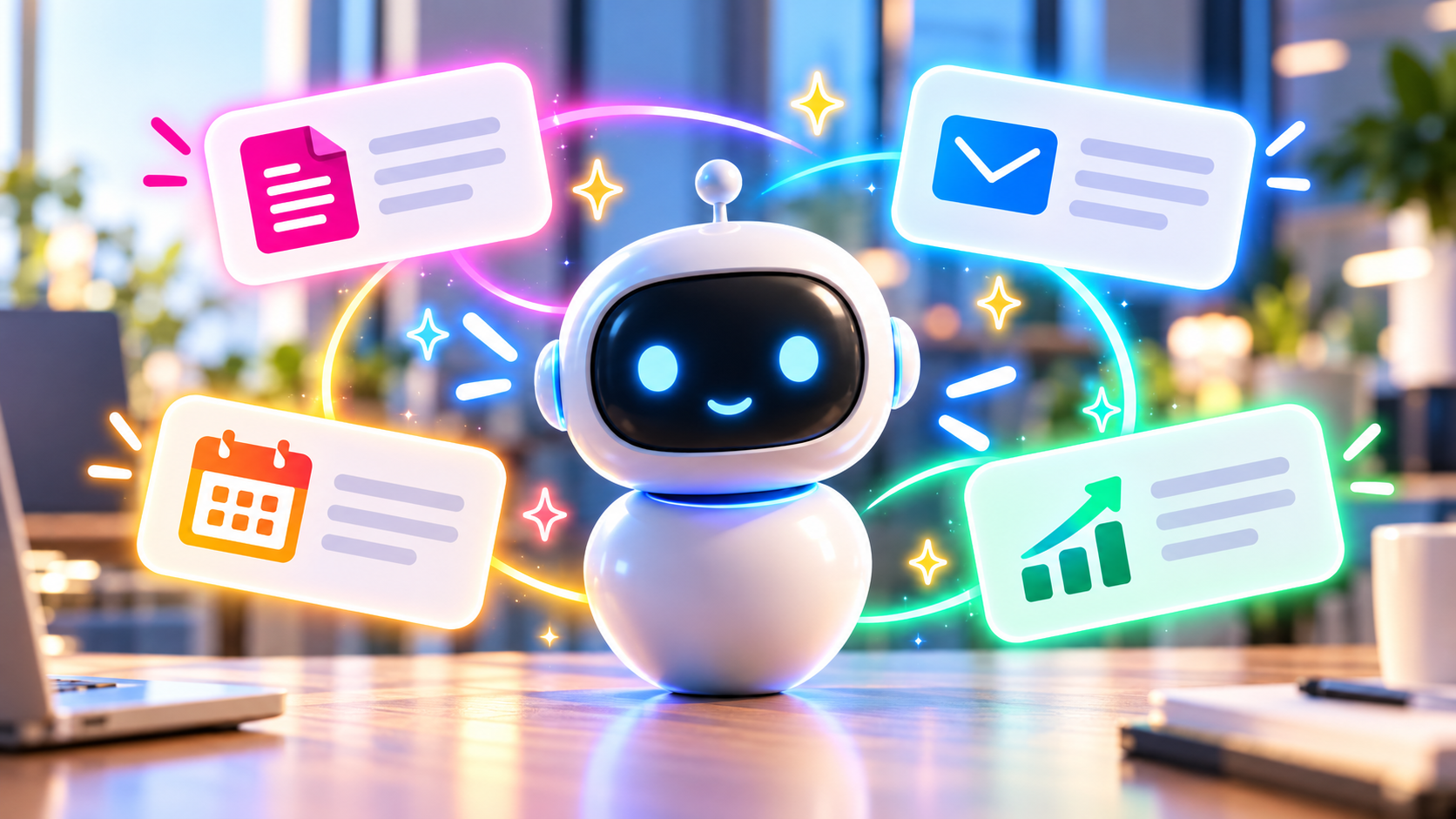
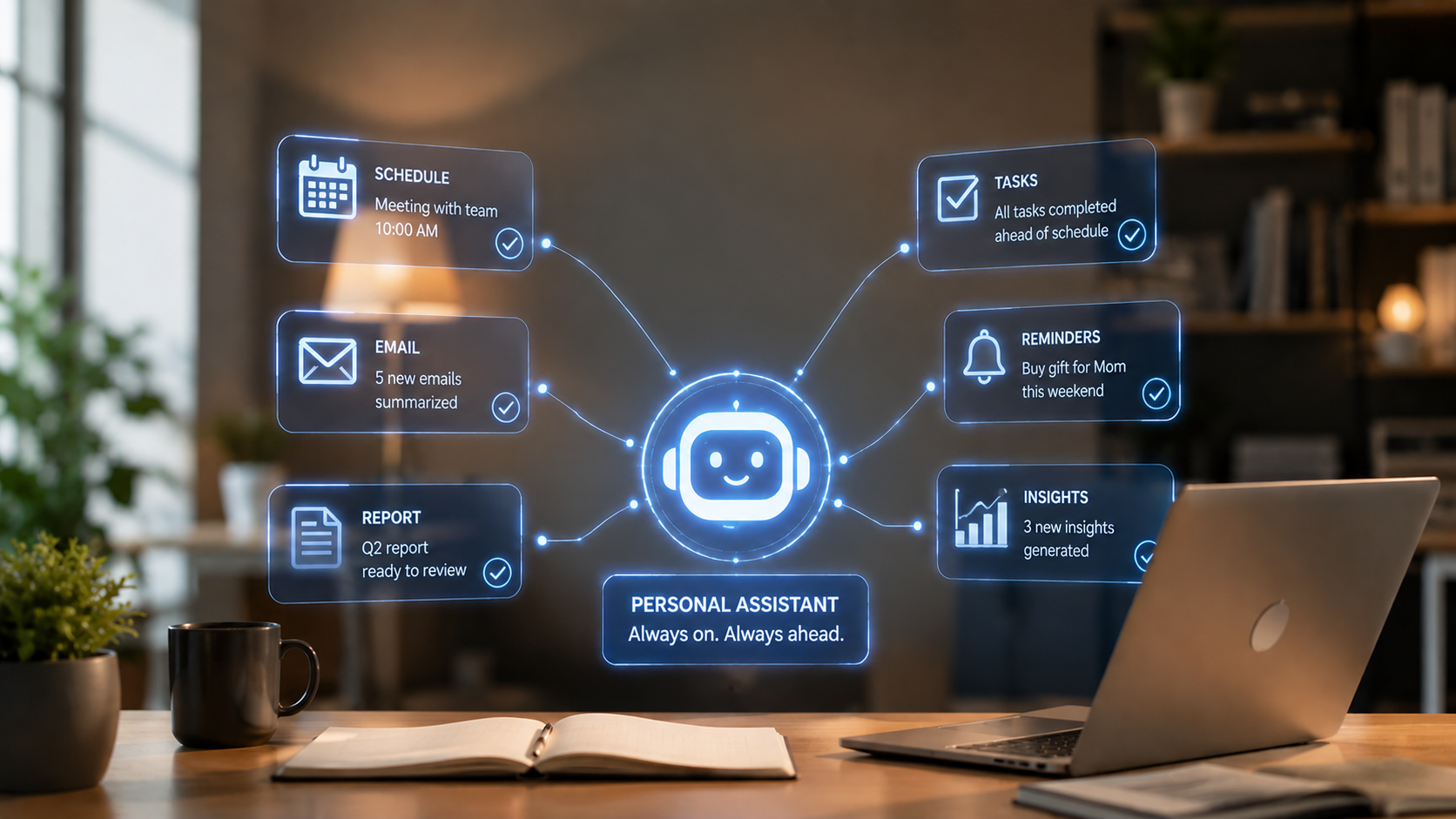
An AI Agent would be like your personal assistant, who doesn't wait for you to spell out every step and figures it out how to achieve the goal you've set on its own. Its able to utilise multiple tools/apps to accomplish the task at hand, check its own output and fixes these issues, rather than handing you the first draft.
Where This Shows Up in Everyday Work
Chatbot: "Summarise this document." → You get a summary.
Agent: "Review these submissions against the checklist and flag any that need follow-up." → It reads each one, applies the criteria, compiles the flagged list, and tells you why each was flagged.
The difference isn't the AI getting "smarter" — it's the AI being given a process to follow rather than a single question to answer.
How an agent works
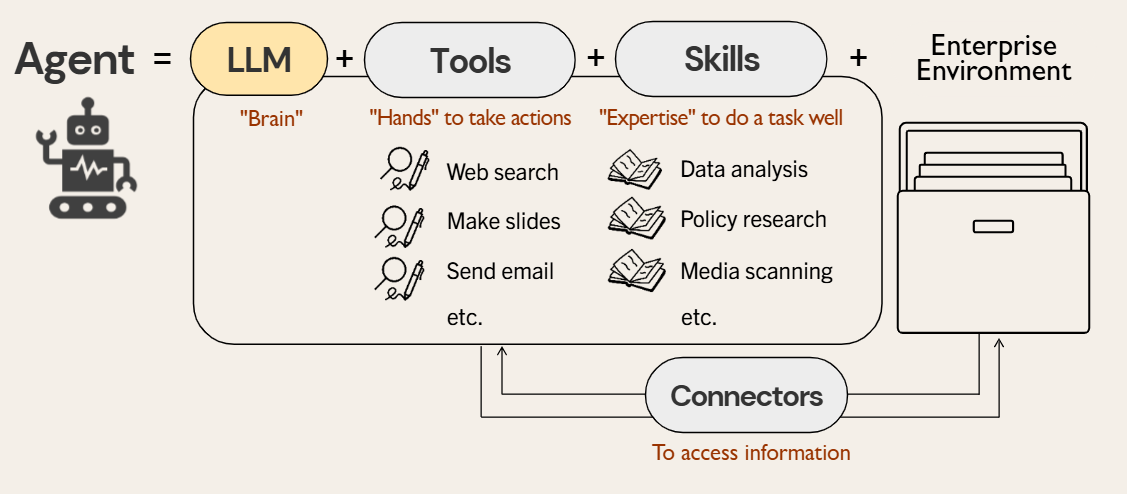
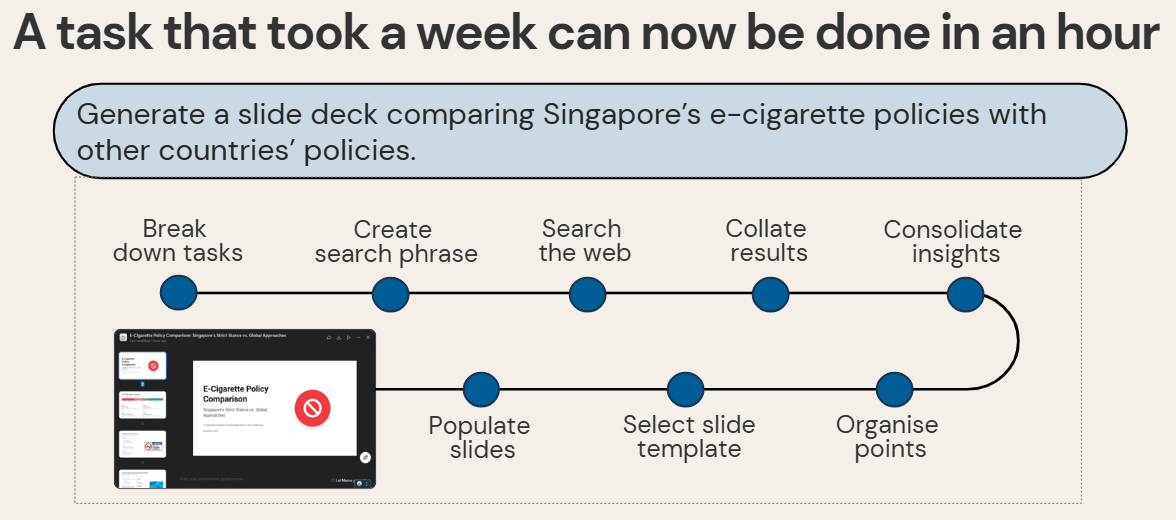
Agents run in a loop. The LLM makes sense of the task at hand and decides on the appropriate action to take, fetches the necessary Tools to take those actions, and relies on the Skills it has to execute the task well. This process is supported by the background information that is made available for the Agent via Connectors that are set-up.
🔗 See it in action
Several AI Apply 201 guides already show the building blocks — a daily morning brief (opens in new tab), searching SharePoint with AI (opens in new tab), meeting minutes (opens in new tab). An agent is what happens when these steps are chained toward a specific goal.
Where agents fit VS Where agents don't
✓ A Good Fit
Multi-step tasks with a clear goal
Work that needs several tools or sources
Repeatable, well-scoped routines
First drafts and legwork you'll review
Tasks where mistakes are cheap to catch
✕ A Poor Fit
High-stakes or irreversible decisions
Vague goals with no clear "done"
Anything needing accountable human judgement
Sensitive data without proper access controls
Situations where an error can't be undone
Using agents responsibly in public service
An agent that can act carries more risk than a chatbot that only talks.
🛡️ Before you let an agent run
Keep a human accountable. The officer stays responsible for the outcome — not the tool.
Scope it narrowly. Give it the least access and the smallest job that gets it done.
Mind the connectors. An agent inherits whatever data and permissions you grant it.
Test before you trust. Watch it on low-stakes runs before turning the autonomy dial up.
Keep a record. Be able to see what it did, and why.